
Travel cot: what to know before choosing one
Parents often need baby gear that works both at home and on the go. A Travel cot is designed for that purpose, giving babies a familiar place to rest during visits, holidays, or overnight stays with family. It can also be useful in smaller homes where flexibility matters. Still, not every model suits every household, so it helps to understand what features are worth prioritising before making a decision.
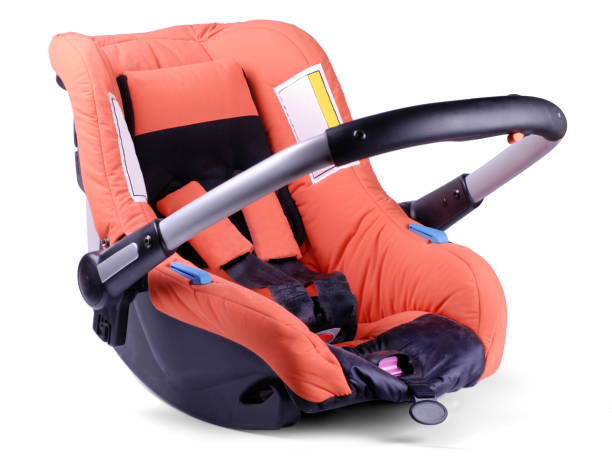
A portable cot should first meet your practical needs. Some parents want a lightweight option that folds quickly and fits easily into a car boot. Others care more about stability, mattress support, or whether the cot can be used regularly rather than only for occasional trips. Thinking about where, how often, and for how long you plan to use it can make the selection process easier.
How to choose a Travel cot
The right option is one that balances safety, ease of use, and comfort. Start by checking the frame structure, locking system, and fabric tension. A well-designed cot should feel stable when set up and should not wobble during normal use. Breathable mesh sides are also helpful because they support airflow and allow parents to keep an eye on their baby more easily.
Size is another important point. Some models are compact and suited to short stays, while others offer more room for growing babies. Before buying, compare the cot’s dimensions with the space available in your bedroom, hotel room, or living area. Folded size matters too, especially if storage is limited.
You should also look at setup and pack-down time. Products that are difficult to assemble may not be practical when travelling with a tired baby. A carry bag, clear folding mechanism, and washable fabric can make daily use more manageable. These features may seem minor at first, but they often make a noticeable difference over time.
Safety and comfort considerations
Comfort should never come at the expense of safe design. A baby cot needs a firm, well-fitted mattress base and secure side panels. Soft, loose bedding should be avoided unless it is recommended by the manufacturer and appropriate for the baby’s age. Parents should always follow the product’s instructions on age, weight, and use limits.
It is also worth checking whether the cot is intended mainly for supervised rest, overnight sleep, or both. Some products are built for occasional convenience, while others are designed with longer use in mind. Reading the product details carefully can help prevent mismatched expectations.
When a portable cot makes sense
For many families, a portable sleeping space becomes useful during festive visits, weekend trips, or even daytime naps at a grandparent’s home. It can also help babies settle more easily in unfamiliar environments by giving them a consistent sleeping area. That consistency is often more valuable than extra features that rarely get used.
Choosing the best model comes down to your routine, available space, and how often you expect to travel. Focus on safety, portability, and everyday practicality rather than unnecessary extras. If you are comparing options, explore products carefully and choose a model that fits your family’s needs with confidence.